

Get stories like this delivered straight to your inbox. Sign up for The 74 Newsletter
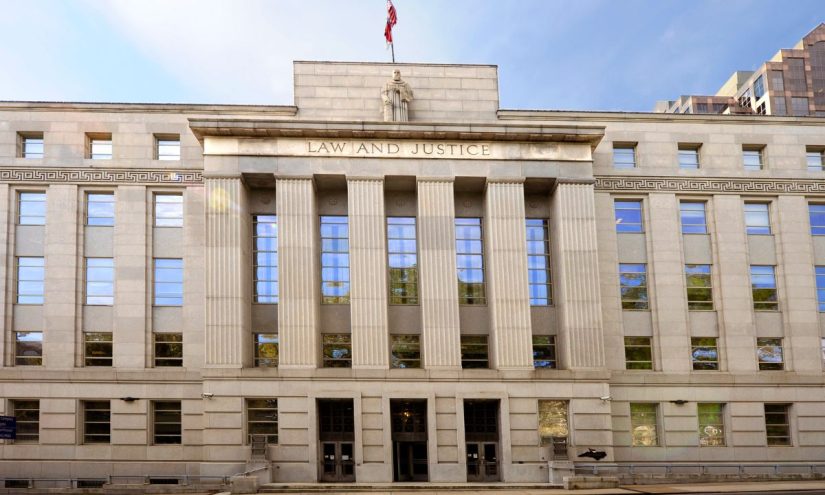
Last month, the North Carolina Supreme Court threw out a three-decade-old legal framework that required the state to ensure the poorest school districts have the same type of opportunities that the wealthiest have. This latest decision in the Leandro case effectively removes judicial enforcement of the state’s constitutional obligation to provide every child with a sound, basic education.
The ruling did not find that oversight is no longer needed because the funding disparities have been resolved. Instead, it concluded that the courts cannot enforce the remedy, leaving implementation entirely to the political branches of government.
The Southern Education Foundation is deeply disappointed by this decision.
Across the South, states are grappling with how to fulfill constitutional obligations to provide all children with a quality education, and who is responsible for enforcing those commitments. In South Carolina, courts have acknowledged funding disparities while leaving remedies largely to the legislature. In Mississippi and Arkansas, ongoing debates over school funding formulas and resource allocation continue to raise concerns about whether students in low-wealth communities are receiving adequate resources. While each state’s legal framework differs, the underlying issue is consistent: whether constitutional promises of education will be meaningfully enforced or left to shifting political priorities.
In North Carolina, plaintiffs in the original 1994 lawsuit successfully argued that the state was failing to meet its constitutional obligation to provide every child with access to a quality public education. The court has long recognized that not all students, particularly those from low-income communities and communities of color, have been afforded equal educational opportunity.
But now, it is abrogating its duty for ensuring that the law is enforced, shifting responsibility for addressing these inequities to the North Carolina General Assembly and state leadership.
This decision comes at a pivotal moment, not just for North Carolina, but for the country. The United States is at a critical inflection point in how schools prepare students for a rapidly evolving economy. New, evidence-based models of education are emerging. Technology, particularly artificial intelligence, is reshaping how students learn and how systems in the workplaces they will eventually graduate to operate. At the same time, the demand for a highly skilled workforce continues to grow. Today’s students need to learn how to function in this new, technologically advanced world.
How are we as a society going to meet that growing demand for skilled workers? The federal government is forecasting steady growth in the technology workforce. If America’s education leaders, both in individual states and as a nation, commit to giving more students access to the best advancements in technology and preparing them to join that highly skilled workforce, American competitiveness globally will increase. This is an opportunity.
But if longstanding disparities in access to quality education are not addressed, then the benefits of these advancements will not be shared equally among students. Instead, they will widen existing gaps.
This is no time for any branch of government, particularly the judiciary, to step back from its responsibility. Instead, local, state and federal leaders must work in unison to address the educational needs of students — particularly the deficiencies that courts themselves have identified over decades.
As Associate Justice Allison Riggs noted in her dissent: “The majority’s message to our children is clear: pull yourself up by your bootstraps, but there is nothing this court will do if the political branches never met their obligation to put boots on your feet in the first place.”
The question now is whether the state will act. Whether and how the North Carolina General Assembly and state leadership will fund solutions, and whether additional legal challenges will follow, remain open questions.
The Southern Education Foundation urges state leaders to take immediate action to meet the obligations set forth in the North Carolina Constitution and to ensure that every child has access to a quality education.
The court’s decision does not resolve the issues identified in Leandro; it changes who is responsible for addressing them. What happens next will depend on whether state leaders choose to fulfill the constitutional promise of education for all students.
Did you use this article in your work?
We’d love to hear how The 74’s reporting is helping educators, researchers, and policymakers. Tell us how
