

The Trend: Academic success is often directly tied to other dimensions: social life, emotional well-being, physical health, campus involvement and family obligations, to name a few. Many schools are embracing holistic advising – aided by unified student information systems (SIS) that break down campus silos, connecting the disconnected.
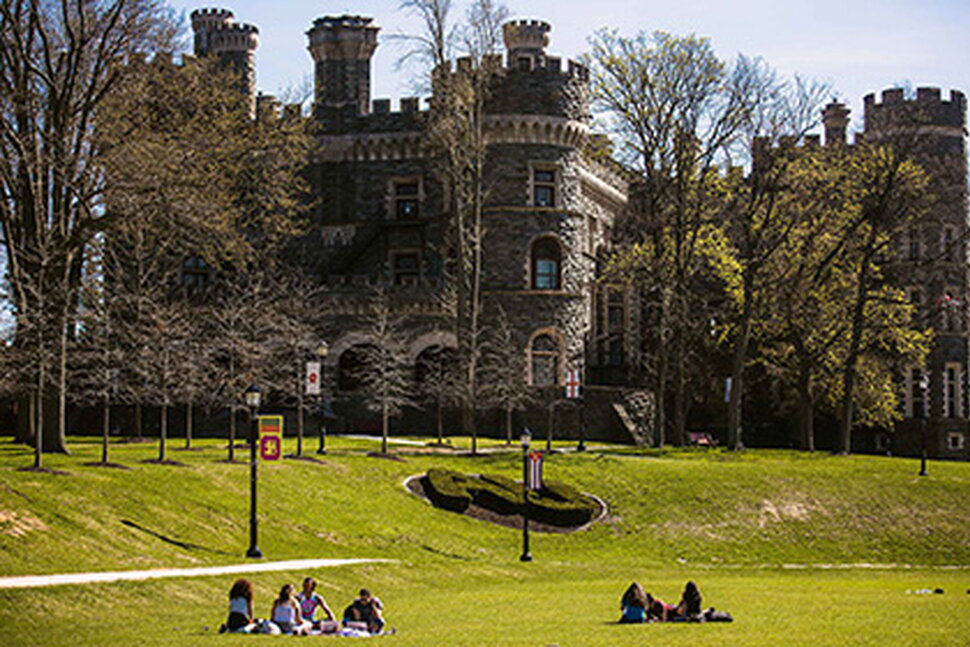
Exhibit A: Arcadia University, located on the outskirts of Philadelphia, reframed its model from “academic advising” to “whole-life” advising in 2021. Lindsay McGann, assistant dean of student success and thrive strategist, says this shift represents more than a change in terminology: “It reflects a transformational philosophy of student support. We have to be tuned in and responsive to the whole student, not just their transcript.” One major aspect of whole-life advising is a centralized Student Success Hub. Built within Arcadia’s Salesforce customer relationship management, it brings together data from existing campus systems into a shared platform.
The Pros: McGann explains that students at many colleges are expected to independently determine which office can help them, figure out how to contact them and repeat their stories multiple times. A centralized hub reduces the need to “office hop.” On the employee side, a unified SIS gives advisors and other support professionals a big-picture understanding of a student’s full experience – and insights that could prompt proactive outreach.
This model has proven successful at Arcadia, especially with career readiness and retention. According to internal institutional data, Arcadia’s third-to-fourth year retention rate for Pell-eligible students in the 2022 cohort increased by 9 percentage points – from 83.2% in 2019 to 92.2%, while first-generation student retention increased by 8.4 percentage points. These figures stand out against benchmarks from the National Student Clearinghouse Research Center, which reports a national second-year persistence rate of 77.6% and a same-institution retention rate of 69.5%. As McGann notes, “These gains significantly exceed national trends [for two demographics] that continue to experience persistent retention and completion gaps at many colleges and universities across the country.”
Get Higher Ground in your inbox each week!
The must-read newsletter for leaders shaping higher education’s future.
By clicking “Sign Up”, you will receive the latest updates, including emails, from U.S. News & World Report and our trusted partners and sponsors, and you agree to our Terms and Conditions & Privacy Policy.
The Cons: Implementing a holistic advising model supported by a centralized platform is complex – and involves more than investment in software. McGann says schools must align not only technology, but also institutional culture, communication practices and collaborative workflows. This takes budget, training and continuous evaluation.
Reality Check: Advising is highly relational, so a technological platform isn’t a be-all and end-all. McGann suggests taking a phased approach to implementing a whole-life model, starting with a small group of engaged stakeholders or pilot users. She says this will strengthen the quality and usability of systems, as well as “foster meaningful buy-in among individuals who can later serve as champions during broader campus rollout.”
The Upshot: Creating an authentic advising framework that considers all aspects of a student’s college experience leads to increased performance, retention, completion and career success. And implementing a unified SIS – and using it to its fullest potential – can be instrumental to a program’s effectiveness.
Donna Talarico is an award-winning writer who covers higher education.
