

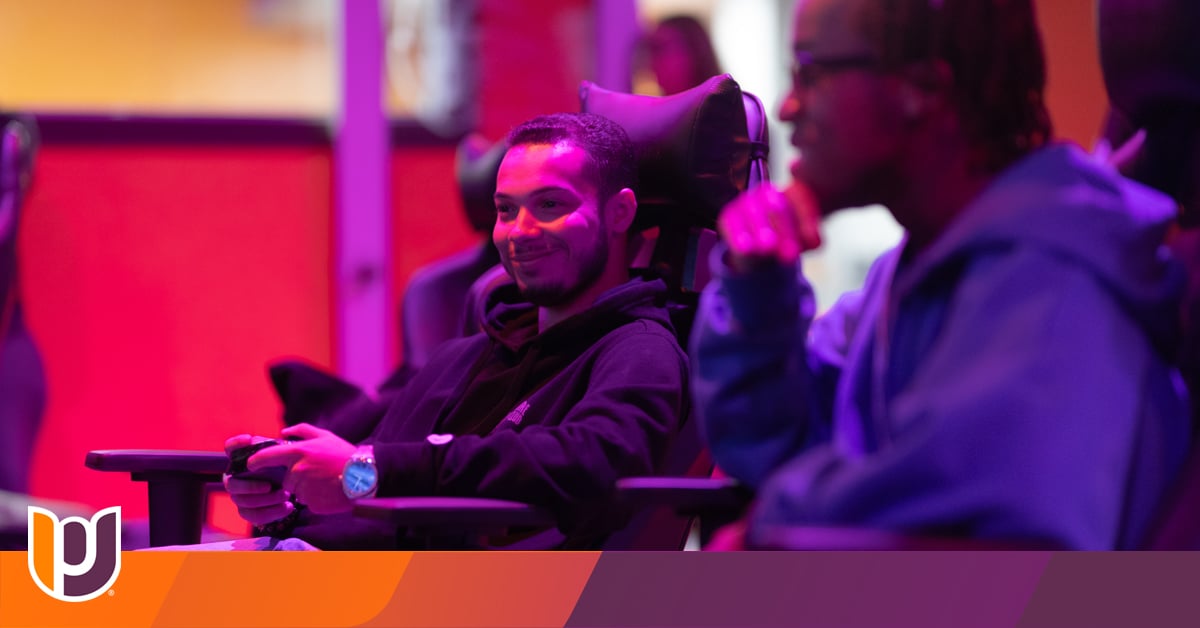
Over the past few decades, esports has evolved from somewhat of a niche hobby into a global phenomenon and multi-billion-dollar industry. As some esports gamers are “going pro,” esports teams and leagues may seek skilled coaches, analysts, managers, and other leaders to help them reach their full potential.
Could a career as an esports leader be right for you? Learn more about what leadership in esports entails and why it matters as you consider your future goals and next steps.
Why Leadership Matters in Esports
In today’s esports landscape, leadership skills are essential as the intricacies of the competitive gaming environments have evolved. Plus, the proper skills may also support both player performance and organizational growth.
The Increasing Complexity of Competitive Gaming Environments
Advancements in technology, more complex gameplay, and evolving gaming ecosystems have made esports highly competitive. As a result, esports gamers benefit from strong leaders who are capable of building confidence, developing relevant skills, and keeping athletes ready to adapt to changing circumstances.
How Esports Teams Mirror Traditional Sports Structures
Just as traditional sports teams and athletes require effective leadership in the form of coaches and managers, many professional-level esports leagues now operate in the same way. From overseeing long hours of practice to building a competitive edge through video-on-demand (VOD) analysis of opponents, esports leaders assume many of the same roles as managers, coaches, analysts, and staff within traditional sports structures.
Why Leadership Skills Support Both Player Performance and Organizational Growth
At both the athlete and organizational levels, solid leadership skills support improved performance and growth. With the right competencies in place, leaders provide strategic direction and skill development while helping teams and organizations become more adaptable.
Core Leadership Skills That Influence Esports Success
What is the recipe behind successful leadership in gaming? Some skills are dependent on context or the specific leadership role (management vs. coaching, for example). Regardless, there are certain skills that often influence esports success at all levels.
Communication: Keeping Teams Aligned in Fast-Paced Matches
Communication skills are integral to strong leadership in gaming. Esports coaches, for example, should be effective communicators in order to coordinate plays and strategies clearly as well as provide much-needed player support.
Adaptability: Navigating Patches, Meta Shifts, and Competitive Pressure
As an esports leader, the ability to adapt is also key to handling competitive pressure and other high-stress situations when they inevitably arise. Likewise, being able to pivot and adapt is important when there are new patches or meta shifts to adjust to or as player needs change.
Team Management: Balancing Personalities, Roles, and Strengths
As with any coaching or leadership role in sports, esports management relies on the ability to understand and oversee players and team dynamics. This may mean finding ways to balance conflicting player personalities, leveraging each player’s known strengths, and assigning specialized roles based on skills and/or weaknesses for the benefit of the team as a whole.
Decision-Making: Making Strategic Calls Under Time Constraints
Esports are fast-paced, meaning that leaders are ideally able to think quickly on their feet and make split-second decisions under pressure. With this in mind, strategic thinking and problem-solving skills are a must for aspiring esports leaders.
In-Game Leadership: What It Looks Like During Competition
Of course, it is one thing to exhibit these core skills throughout everyday life; in a real esports competition, however, being able to put them into practice could mean the difference between victory and failure.
Shot-Calling and Real-Time Strategy Adjustments
During an esports competition, leaders must draw upon their adaptability and critical thinking competencies to make real-time strategy adjustments and play calls — often while under a great deal of pressure.
Maintaining Team Morale Through Wins and Losses
At the end of the day, esports leaders understand that you simply cannot win them all. Thus, they must find creative ways to maintain team morale during the inevitable ups and downs of the season.
Behind-the-Scenes Leadership in Esports Organizations
Different leadership roles in esports accompany distinct responsibilities and demands. Here is a brief overview of the common esports leadership positions and what they entail:
Coaches and Analysts Who Guide Team Development
Coaches and analysts play a central role in esports. These leaders are responsible for developing training for players, analyzing gameplay, and serving as mentors to help players build their skills and resilience.
Managers Who Coordinate Travel, Schedules, and Player Support
Esports team managers, on the other hand, are less involved in player/team development and more focused on the day-to-day operations of the team itself. This may encompass creating schedules, coordinating any necessary travel for events, and acting as a liaison between players and other leaders.
Organizational Leaders Who Shape Branding, Partnerships, and Growth
Beyond team coaches, analysts, and managers, many esports leagues rely on organizational leaders to oversee and optimize various aspects of their branding, partnerships, sponsorships, and overall growth. These professionals handle more of the business side of esports — driving revenue and bringing a love of the game to new markets.
Leadership Development for Esports Players and Staff
What does it take to sharpen the skills to lead in esports?
Formal Leadership Training Opportunities in Gaming and Beyond
Formal degrees, such as undergraduate and graduate programs in esports and gaming management, may provide a solid foundation of the skills and knowledge leaders need in this dynamic industry. Aside from these, aspiring esports leaders may proceed to pursue training opportunities and additional certifications/designations in esports and gaming.
Building Community and Fan Engagement
In addition to serving players and their respective teams, many esports leaders have a responsibility to represent their teams in public spaces, engage with fans, and cultivate meaningful relationships with the public. These interactions require esports leaders to maintain a sense of positive conduct and professionalism at all times in order to shape team identity and build fan loyalty.
Challenges Unique to Leadership in Gaming and Esports
Although being an esports leader comes with numerous opportunities and advantages, these professionals also face unique obstacles that they should prepare to overcome.
Managing Young Players With Limited Competitive Experience
For instance, among the most considerable challenges is dealing with younger and less mature players who may lack extensive competition experience. This is most often the case when working with solo players who have recently transitioned to a team environment — which calls for strong leadership and coaching skills to address.
Balancing High Pressure With Healthy Team Culture
The world of competitive esports may be cutthroat and high-stakes, but esports leaders must still find ways to balance that high level of pressure with a healthy team culture. By supporting players with both their mental and physical health, coaches may be able to protect them from burnout and other issues.
Navigating Rapid Industry Changes and Evolving Expectations
Because esports has experienced such a surge in popularity, the expectations of the industry remain constantly evolving. This, again, is where being an adaptable leader comes into play — especially when it comes to keeping players and teams on track with shifting rules and expectations.
Leadership Skills Are a Competitive Edge in Esports
A well-rounded skill set is a necessity for esports leaders competing in such a high-stakes environment.
Strong Leaders Help Teams Perform Consistently Under Pressure
Leaders who skillfully leverage their communication, adaptability, and team management abilities in turn help teams develop their own skills and perform better under pressure.
Leadership Development Supports Long-Term Growth for Players and Organizations
Meanwhile, as the landscape of esports continues to change, leaders who pursue ongoing education and professional development may be better positioned to support long-term growth for players and their teams alike.
Learn More in a Gaming and Esports Management Degree Program
If you are looking to throw your hat in the ring as an aspiring esports leader, the Bachelor of Science in Gaming and Esports Management at Post University is designed to help students better understand the complex leadership needs unique to the gaming industry while honing relevant skills. Learn more about this program by getting in touch today, or take the next step by completing an application for admission.
