

The Trend: Three-year bachelor’s degree programs – with all the bells and whistles of a four-year program at 75% of the tuition price – are launching students into the workforce faster. Undergrads give up the chance to explore other majors and career tracks with electives, but these programs are a win-win for students who prioritize cutting back on costs and for employers hunting for more workers STAT.
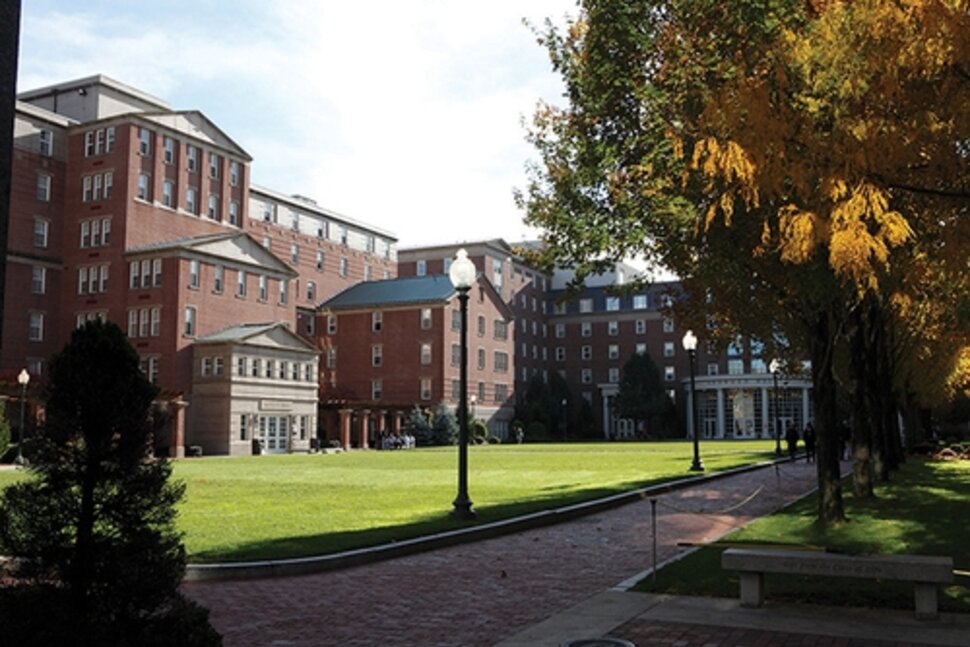
Exhibit A: Johnson & Wales University piloted four three-year bachelor’s degree programs beginning in fall 2025 on its Providence campus: criminal justice, design, computer science and hospitality management. Enrollment in the pilot was popular enough that the school opened applications to a three-year hospitality management degree on its Charlotte campus as well, with the first incoming class matriculating next fall.
The Pros: Three-year programs often ask students to fulfill the same course credits as a four-year student would by loading up on classes and studying in the summer; JWU gives students summers off by reducing the requirements to 90-96 credits (depending on the program) and a paid internship or other intensive experiential learning opportunity during the year. They’re eligible for the same financial aid packages even as they pay 25% less in tuition. They also live in the same dorms, can join the same clubs and are eligible for the school’s sports programs.
Get Higher Ground in your inbox each week!
The must-read newsletter for leaders shaping higher education’s future.
By clicking “Sign Up”, you will receive the latest updates, including emails, from U.S. News & World Report and our trusted partners and sponsors, and you agree to our Terms and Conditions & Privacy Policy.
The Cons: Three-year programs only work for focused students who know what they want to study. If they change their minds, they have to switch to a four-year model and pay more. Lower tuition also hurts a school’s bottom line in the short term, though financial modeling convinced JWU that the loss of tuition dollars would be set off by the expected higher retention and graduation rates, which would then open the door for graduate work at the institution.
Reality Check: Chancellor Mim Runey and her colleagues reached out to the top 30 employers of JWU graduates in each field to research whether they’d hire a three-year degree graduate for the same roles as a four-year graduate. “Without hesitation, across the board, their response was favorable,” she said. “The thing that is most important to students is getting into the industries that they serve.” So far, though, only around 90 students are enrolled across these programs, so Runey cautioned that it’s too soon to make sweeping conclusions.
The Upshot: Three-year degrees show considerable promise, with early indicators of success. Runey noted that students in the three-year program are, to date, being retained at a higher rate and earning higher grades. She said applications to these three-year programs are also up 47%.
Danna Lorch is a Boston-based higher education writer and strategist.
