

Get stories like this delivered straight to your inbox. Sign up for The 74 Newsletter
For a small school district, recruiting and retaining educators is a never-ending challenge, especially when competing against large districts with broader revenue bases and better salaries. It’s simple economics — when pay increases, the talent follows.
This feeling of frustration is one that leaders at New York’s Clyde-Savannah Central School District know well. Situated between Rochester and Syracuse, this rural district of 750 students is often seen as a stepping stone by educators. Many new teachers get a few years under their belt, then take off for higher-paying suburban schools.
Even before the pandemic hit, Clyde-Savannah experienced a districtwide employee turnover rate of 25%. This churn, particularly among teachers and support staff, disrupted the continuity and quality of students’ learning. At the elementary level alone, six to seven teachers out of 21 would leave in any given year.
Experienced educators carry institutional knowledge about curriculum implementation, assessment practices, and effective strategies for meeting student needs. When a large portion of staff leaves each year, districts must repeatedly rebuild this expertise. While new teachers often bring enthusiasm and fresh ideas, their learning curve can affect the consistency of instruction and student outcomes, at least temporarily.
What Will Make Teachers Stay? Ask Them — and Listen to What They Have to Say
As superintendent for Clyde-Savannah, I knew the district could not compete on salary. Instead, school leaders and board members focused on what we were able to control: the district culture. Could we build a better workplace, where people felt genuinely supported? Could we reduce teachers’ stress, both inside and outside the classroom? Most importantly, could we create an environment where educators were excited to come to school each day?
By reimagining its approach to recruitment, the district increased its overall employee retention rate to 98% from 2023 to 2025 and made Clyde-Savannah a top choice for prospective teachers. Finalists who were speaking with neighboring districts or had received offers told our interviewers they had withdrawn those applications in order to accept positions at Clyde-Savannah. In addition, I have seen first-year teachers choose to relocate to the Clyde-Savannah community, which is key, as early-career educators typically move only when they view a district as a place to build both a career and a lasting home.
The district’s approach to changing its culture took several forms. First, through conversations with staff and teachers, district leaders discovered that a lack of accessible and affordable child care was often the biggest deterrent to employment. Many talented educators were leaving the classroom because the high cost of child care made working full time financially impractical.
To ease the burden on working families, the district opened a free day care program for all employees in 2023. Rather than contract services to outside caregivers, Clyde-Savannah became the first school system approved by the New York Office of Family and Child Services to operate a district-run child care center. Today, 18 children between the ages of 6 weeks and 4 years attend the program each day, providing families with much-needed support while ensuring their little ones will be ready for kindergarten.
For many employees, but especially support staff and teacher’s aides earning minimum wage, the program has been life-changing. For one, being relieved of the cost of child care means she was able to purchase a car for her family. Another teacher chose Clyde-Savannah because the availability of care made it possible for him and his wife to both pursue the careers they wanted.
For Clyde-Savannah teachers and staff, the cost savings and peace of mind of knowing their children are well cared for outweigh the lure of a modest salary bump a district away.
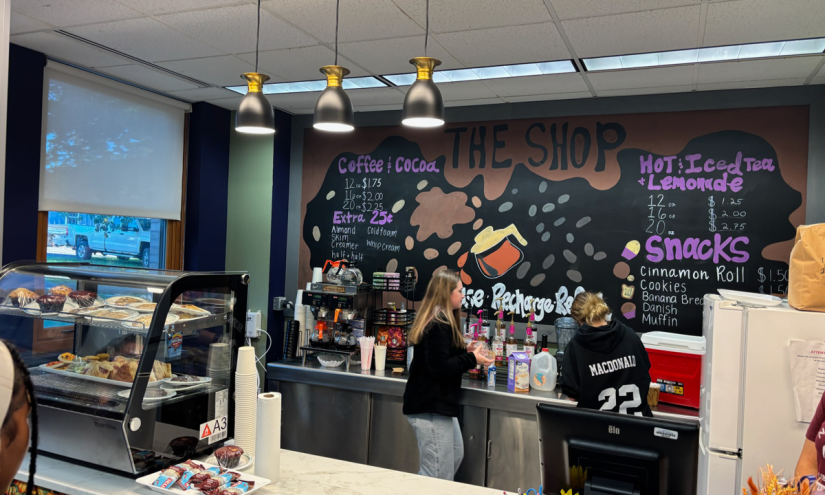
The second initiative involved filling a longstanding gap in what had been a coffee shop desert. As a small town, Clyde lacked a spot for teachers, staff and students to grab their daily caffeine fix. So the district turned a high school classroom into a café that rivals popular coffee chains.
The coffee shop is staffed by trained student volunteers who earn community service hours toward graduation. In the process, these young baristas gain hands-on experience in food preparation, customer service and promotion, equipping them with marketable skills.
Students prepare drinks using standard coffee shop equipment, such as brewers, syrups and espresso-style machines. The cafe serves walk-in customers, makes deliveries to all district buildings during designated times of the day and stays open after school hours to accommodate staff, visitors, teachers and community members attending meetings or activities after 3 p.m.
Educators’ View: What Teachers Need to Succeed and Stay in the Classroom
Because many school bus drivers are on the road during the shop’s regular hours, the district created a drive-through option just for them. Drivers can pull up their bus outside the school doors, and students will bring out their coffee order — a small but meaningful way to include transportation staff.
When the café first launched, the district lacked the budget for paid staff. So, I stepped in as store manager, working at 6 in the morning to help get everything prepped for the day ahead. Eventually, because of the café’s popularity, it earned enough money to pay for a full-time manager to run the shop.
By creatively addressing a community need, Clyde-Savannah demonstrated that the district is actively listening and responding to its staff. Teachers value having a place in which to connect, collaborate and recharge. At the same time, prospective hires see this investment in staff well-being as an advantage when comparing offers from other districts. As competition intensifies for a shrinking applicant pool of qualified teachers, small districts must think creatively to set themselves apart. Higher salaries are important, but compensation does not always guarantee fulfillment. For many educators, job satisfaction comes from feeling happy, supported and genuinely appreciated — benefits that cannot be measured in dollars alone.
Did you use this article in your work?
We’d love to hear how The 74’s reporting is helping educators, researchers, and policymakers. Tell us how
