

The Problem: Mounting financial pressures mean administrators are looking for revenue streams that aren’t tied to students, especially at tuition-dependent schools.
The Solution: Camps. Concerts. Conferences. Canine competitions. When the bulk of undergraduate students go home for the summer, many campuses remain abuzz – and generate revenue – by renting facilities to external organizations.
Exhibit A: Whittier College in California reports bringing in $500,000 annually from summer camps alone; they welcome about 15 each year that focus on arts, science, sports and more. They also host weddings, dance recitals and even an American Kennel Club dog-scent competition. Hector Pantoja, director of conference services, says that while the college has been hosting external events for decades, “there has been a special effort to increase them after the pandemic.” It’s paid off: He says annual event revenue has increased about 25% per year since 2020.
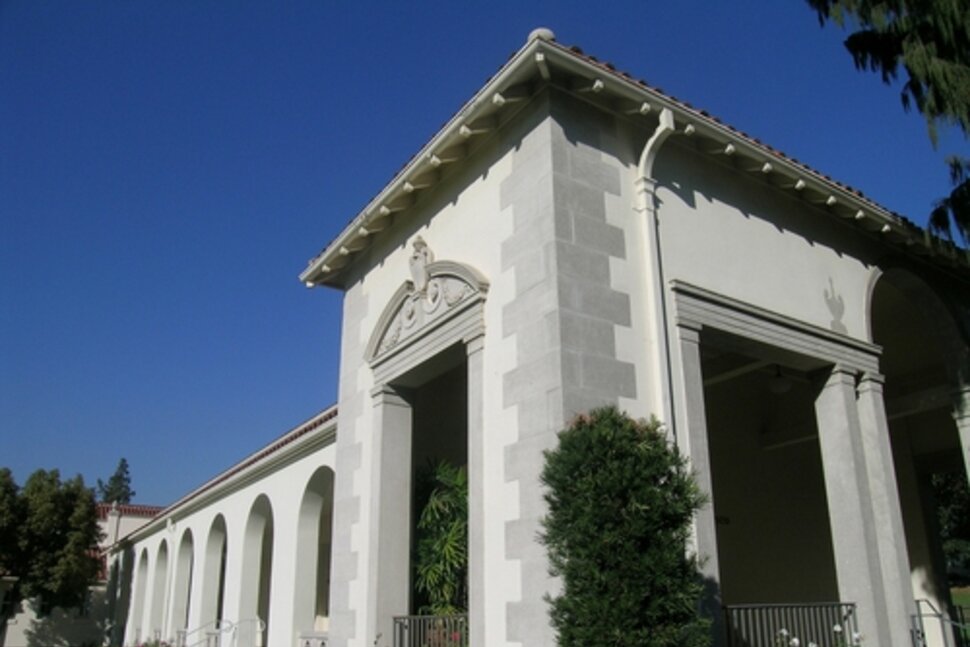
The Pros : It’s a win-win for schools and the community. Campuses offer everything a group needs, including classrooms with audio-visual equipment, housing, catering, athletic facilities and green spaces. Pantoja says a local Jane Austen Society loves Whittier’s chapel for its architecture and acoustics. Rhode Island School of Design notes that renting out auditorium and gallery spaces for events strengthens local partnerships. And events can double as immersive marketing moments. “They also create exposure,” Pantoja points out, adding that after hosting college-bound campers, three students applied for bachelor’s degrees.
The Cons: With efficient logistics comes overhead. Schools that try to manage hundreds of events with spreadsheets and Outlook invites used by existing staff can lead to confusion and double-bookings. Streamlining room and event management, whether through technology such as Concept3D’s room reservation platform or dedicated staff (or both), takes investment.
Reality Check: Institutions must promote these spaces, amenities and services, which can be a challenge for central marketing and communications teams generally focused on enrollment. Schools might consider a well-designed, public-facing event services website. (West Virginia University offers a good example.) They could also benefit from listings on local, regional and national venue directories.
The Upshot: Renting campus spaces to external organizations provides an alternative revenue stream at a time when college and university livelihoods are increasingly at stake. A bustling event calendar keeps facilities in use – and serves as a subtle recruiting tool.
Get Higher Ground in your inbox each week!
The must-read newsletter for leaders shaping higher education’s future.
By clicking “Sign Up”, you will receive the latest updates, including emails, from U.S. News & World Report and our trusted partners and sponsors, and you agree to our Terms and Conditions & Privacy Policy.
Donna Talarico is an award-winning writer who covers higher education.
