

Stephanie Teresi is the associate director of trademarks, licensing and promotional assets at Loyola Marymount University, where she manages the university’s licensing program and drives brand strategy through retail, partnerships and campus-wide initiatives.
U.S. News: Loyola Marymount University is in the middle of a three-year rebranding initiative for its mascot, Iggy. Why was it worth the investment?
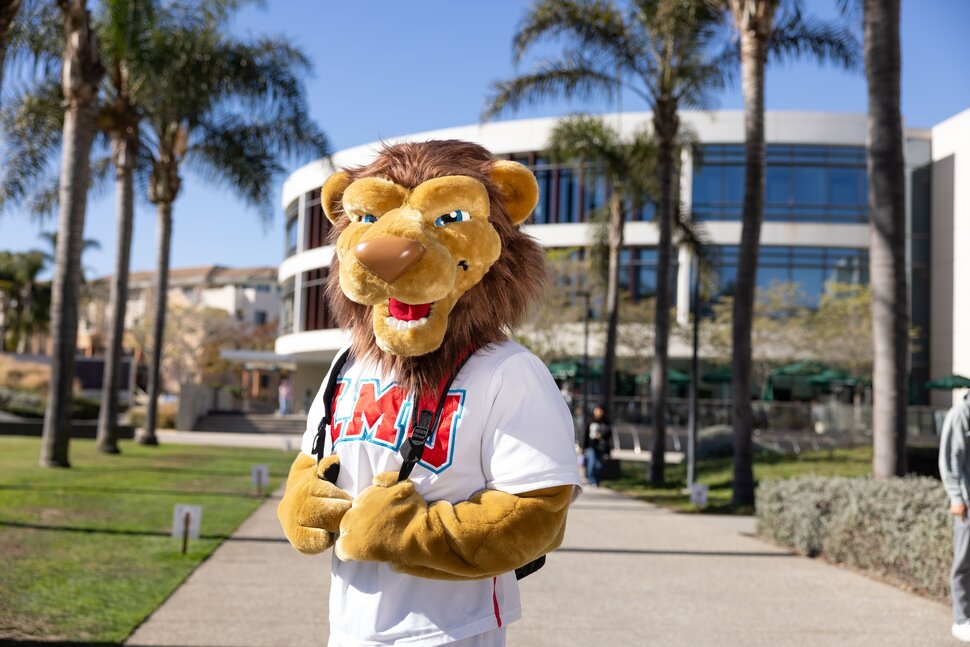
Stephanie Teresi: Most institutions have a mascot, but few actually treat it as a managed brand asset. With Iggy way overdue for a costume refresh, LMU took that moment as an opportunity to not only rework the costume and the mascot program itself but to reconsider Iggy’s overall place within the LMU brand ecosystem.
As we planned to roll out his refreshed look, we shifted our mindset from “Iggy the costume” to “Iggy the brand,” defining personality, behavior, governance standards and strategy for curating his appearances across athletics, student life and external moments.
Courtesy of Loyola Marymount University
- We launched a new, trademarkable set of Iggy marks, creating an ownable asset that can scale across channels.
- The Iggy marks extended into retail with a fresh bookstore collection, giving students, alumni and fans a way to wear and engage with the brand.
- The return is not just cosmetic; it’s operational and cultural. It shows up in stronger brand consistency, clearer internal usage and a more engaging presence across campus and beyond.
U.S. News: How has managing the mascot as intellectual property impacted brand engagement and revenue?
Teresi: The introduction of trademarked Iggy marks created immediate momentum in merchandise.
With a more intentional, cross-campus approach for managing Iggy’s appearances across athletics and student life, Iggy started showing up at the right moments on campus – not just the games.
Get Higher Ground in your inbox each week!
The must-read newsletter for leaders shaping higher education’s future.
By clicking “Sign Up”, you will receive the latest updates, including emails, from U.S. News & World Report and our trusted partners and sponsors, and you agree to our Terms and Conditions & Privacy Policy.
- Prospective students, current students, parents and alumni all connect to him, which reinforced that Iggy represents the university as a whole, not just athletics.
- That stronger, more defined storyline also led to external exposure, including positive coverage in our school paper and a moment on ESPN.
- Internally, defined IP has driven consistency. Teams across campus now use a shared set of assets and guidelines, reinforcing the brand with every interaction.
- The result is a rare combination: increased revenue, stronger engagement and tighter brand control – all driven by a single, well-managed asset.
U.S. News: What advice would you give to institutions considering a mascot rebrand?
Teresi: Define personality before visuals. Tone and behavior will drive content, appearances and product more than aesthetics alone.
- Include the right people from the start. Athletics, licensing, marketing, social, public relations, student affairs and alumni teams all add value to strategy development, and you’ll need them to help activate across campus.
- Build governance early – including ownership, licensing, usage guidelines and performer management – to avoid fragmentation.
- Run focus groups with students to pressure test your ideas.
- Plan for sustained activation beyond a launch. A steady drumbeat on social media and in events builds relevance and a sense of connection.
- Meet students where they actually are – not just at games, but in the spaces they naturally spend time.
- Take advantage of the creative freedom. Mascots are one of the few areas where higher ed brands don’t have to take themselves too seriously. Build relationships with your audience – and have fun!
