

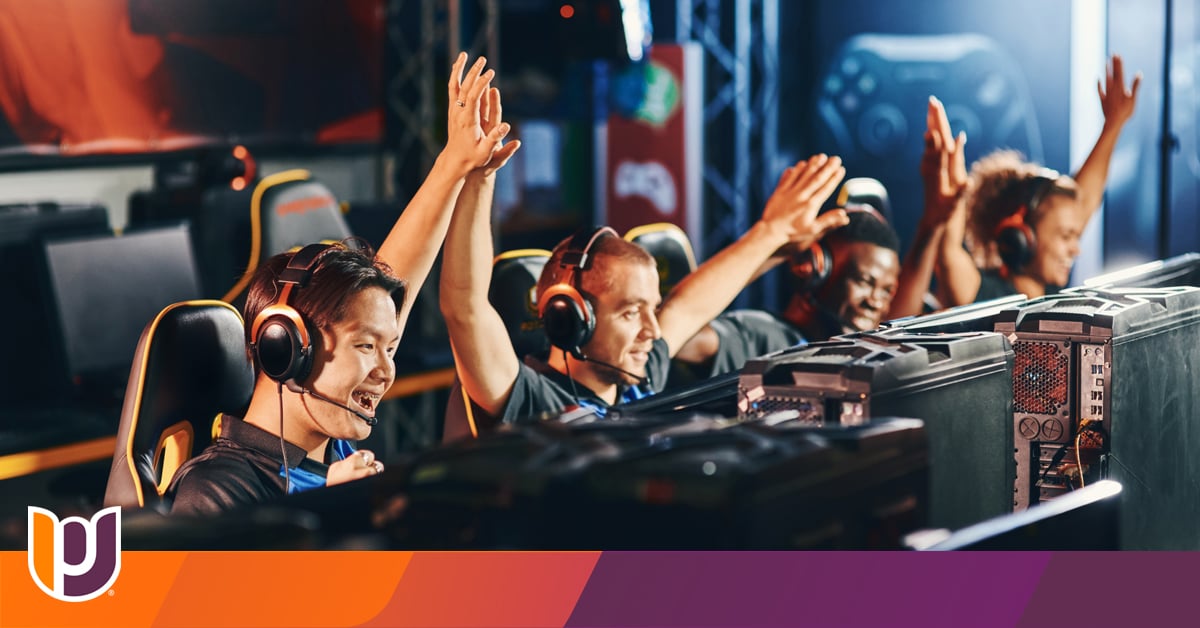
Competitive gaming hinges on human psychology. Factors like player motivation, stress responses, communication habits, identity, and team dynamics all shape performance and longevity. Understanding esports psychology enables managers to better retain talent, cultivate a positive culture, and build resilient teams that consistently win together.
Why Psychology Matters in Esports Management
Success in esports leverages a combination of mechanics, strategy, motor coordination, and reflexes. However, understanding the psychology of gaming — what exists behind player behavior, choices, and motivation — helps managers foster environments and team cultures that support consistent, positive performance.
The Mental Demands of Competitive Gaming
Esports players must withstand significant mental challenges, as the game requires mentally taxing tasks and conditions, such as:
- Sustained focus
- Rapid decision-making
- Emotional regulation
- Stress tolerance
- Long practice hours
- Public scrutiny
- High-stakes matches
All of these factors induce mental pressure and test mental endurance, making psychological preparation as critical as mechanical skill.
How Player Behavior Influences Team Dynamics and Results
Several factors also impact team coordination and player morale, including:
- Communication styles
- Motivation levels
- Confidence
- Tilt (frustration that hinders performance)
When familiar with the psychology of gaming, managers may act proactively to recognize behavioral patterns, prevent conflict, reinforce trust, and align individual player goals with team strategies to drive better results.
The Core Psychological Factors That Influence Player Behavior
Both internal drives and external pressures shape player performance, focus, resilience, and decision-making. Recognizing these core psychological forces helps managers leverage esport psychology to support team mental health alongside consistent competitive readiness and sustainable growth and improvement.
Intrinsic vs. Extrinsic Motivation in Competitive Gaming
As in most aspects of life, esports players have two primary source categories of motivation:
- Intrinsic – Internal motivations include internal rewards like joy, fulfillment, the love of the game, and the thrill of competition.
- Extrinsic – Extrinsic motivations include external rewards like prize money, status, fan adoration, or social acceptance.
Intrinsic motivation tends to drive long-term commitment, whereas extrinsic motivation is more strongly associated with short-term effort. Esports managers who learn to recognize and balance both types of motivation in players encourage passion without relying too heavily on prizes, contracts, and other forms of external validation.
Stress, Pressure, and Performance Under High-Stakes Environments
High-stakes matches tend to trigger anxiety, adrenaline, and cognitive overload. As players’ stress responses vary, their reaction times and communication styles change. Effective managers implement routines, mental training, and support systems to help players maintain composure under pressure.
Understanding Cognitive Skills That Drive Esports Performance
Elite esports performance relies on advanced cognitive abilities developed through training, experience, and mental conditioning. Managers who understand these skills may better structure practice, expectations, and recovery periods to increase players’ peak competitive output.
Reaction Time, Focus, and Information Processing
Players must process visual and auditory cues instantly while maintaining attention amid the chaos of the game. Superior reaction time and selective focus support faster responses, cleaner mechanics, and fewer mistakes during intense, rapidly changing in-game situations.
Decision-Making Speed and Strategic Thinking
Competitive success depends on making accurate decisions under time pressure. Strong players balance instinct with strategic awareness — adapting to their opponents in real time while executing team plans without hesitation or cognitive delay.
Managing Fatigue and the Limits of Cognitive Endurance
Controlled practice matches (scrims) and tournaments strain mental stamina as well as decrease accuracy and sound judgment. Managers who understand cognitive fatigue strategically schedule breaks, rotate workloads, and prioritize recovery to prevent burnout and underperformance.
Player Motivation and What Keeps Esports Athletes Engaged
Sustained performance in esports requires motivation that extends beyond winning matches. Understanding what drives player engagement allows managers to take the right actions to foster commitment, satisfaction, and long-term development across demanding competitive seasons.
Mastery, Achievement, and the Drive to Improve
Skill mastery and personal progress motivate many players. Managers who offer clear feedback, visible improvement metrics, and challenging environments reinforce player efforts. As a result, athletes stay engaged — even during setbacks or plateaus.
Community, Recognition, and Team Belonging
A strong sense of belonging boosts morale and accountability. Managers who develop positive team cultures encourage recognition and praise from teammates, staff, and fans. This reinforces player confidence and simultaneously promotes collaboration and shared responsibility for success.
How Goal-Setting Helps Sustain Long-Term Motivation
Well-defined goals provide players with direction and purpose. Managers should align short-term performance goals with long-term career objectives to help players maintain focus, track progress, and stay motivated despite rigorous training schedules and competitive pressure.
Managing Team Dynamics Through Psychological Insight
Having a firm grasp of esports psychology from the perspective of team dynamics is a key competency for managers. Strong team performance emerges from understanding how individual personalities, behaviors, and play styles interact. Successful managers leverage psychological insights to shape cohesive teams that communicate effectively and perform consistently.
Identifying Play Styles and How They Complement Each Other
All players differ in terms of risk tolerance, tempo, and decision preferences. Recognizing complementary play styles creates balanced rosters where aggression, support, leadership, and adaptability align to strengthen overall team execution.
Resolving Personality Clashes and Communication Issues
Miscommunication and personality conflicts disrupt team harmony. Managers must recognize behavioral triggers and use various communication styles to resolve conflicts early and clarify expectations to ultimately promote constructive dialogue that preserves focus and respect.
Cultivating Trust and Accountability Within the Team
Trust grows when players feel supported and responsible for shared outcomes. Defining clear roles, creating accountability, and providing consistent feedback helps establish a team culture of psychological safety that enables players to rely on teammates in high-pressure situations.
The Psychological Challenges Unique to Esports
While some of the challenges are similar, esports presents mental pressures that differ from traditional sports. These challenges are shaped by constant connectivity, rapid competition cycles, and early career peaks. Managers who are aware of these unique challenges are better able to protect player well-being and long-term performance.
Dealing With Burnout and Screen Fatigue
Extended practice hours, travel, and constant screen exposure strain mental and physical health. Without proper rest and boundaries, players risk burnout, reduced focus, and declining motivation that directly impacts competitive performance.
Public Scrutiny, Social Media Pressure, and Player Identity
Players face continuous evaluation from fans and critics online. In the absence of solid psychological support systems, negative feedback and public comparison may erode confidence, distort self-identity, and increase anxiety.
Short Career Lifespans and Their Mental Impact on Players
Esports careers often peak early and end abruptly. Uncertainty about longevity, income stability, and post-career identity creates stress — which is why long-term planning and mental resilience are essential for player well-being.
How Esports Managers May Apply Psychology to Improve Performance
Psychological insights are most valuable when applied to daily management practices. When they use their knowledge of esports psychology to create healthy conditions for their teams, managers enhance focus, resilience, and continuous player development to improve performance.
Creating Practice Environments That Reduce Stress and Increase Focus
Structured schedules, clear expectations, and intentional recovery periods reduce cognitive overload. These kinds of balanced practice environments help players stay mentally engaged, manage pressure, and perform consistently without accumulating unnecessary stress or fatigue.
Using Data and Behavior Patterns to Support Player Development
Managers leverage player data (e.g., performance trends, communication habits, and stress responses) to identify issues and opportunities. Combined with psychological understanding, data enables them to personalize coaching and reinforce positive behaviors while addressing issues before they impact results.
Building a Healthy Team Culture Through Psychological Awareness
A healthy team culture is rooted in psychological safety and shared values. When esports managers prioritize mental well-being, teams become more resilient, adaptable, and united through success and adversity alike.
Encouraging Open Communication and Emotional Honesty
With open dialogue, players feel free to express concerns without fear of judgment. Emotional honesty reduces hidden stress, prevents misunderstandings, and allows managers to address issues early before they impact trust or performance.
Rewarding Collaboration, Not Just Individual Skill
Recognizing a player who values teamwork reinforces cooperative behavior. When collaboration is valued alongside individual excellence, players are more likely to support their teammates and share responsibility in a way that contributes to collective success.
Establishing Routines That Support Mental Wellness
Consistent routines create stability in high-pressure environments. Scheduled breaks, mental training, and wellness practices help regulate stress and maintain focus, in turn maintaining better performance across long competitive seasons.
When to Bring in Mental Performance Coaches
While esports managers often address many psychological aspects of the profession on their own, some challenges call for specialized expertise. In these cases, mental performance coaches provide structured support designed to help players navigate pressure and uphold confidence.
Identifying When Players Need Professional Psychological Support
Professional psychological support may be needed when managers notice warning signs such as:
- Chronic stress
- Emotional withdrawal
- Performance inconsistency
- Burnout symptoms
- Communication breakdowns
Early intervention from mental health professionals could prevent long-term decline in addition to supporting individual well-being and team stability.
How Mental Coaches Help With Resilience and Pressure Management
Mental coaches help with resilience and pressure management by teaching:
- Healthy coping strategies
- Focus techniques
- Emotional regulation skills
Tools like these help players recover from mistakes and manage anxiety so they may perform confidently in high-pressure competitive environments.
Integrating Psychological Training Into Regular Practice
Psychological training is most effective for teams and players when it is embedded into daily routines. Mental coaches collaborate with managers and staff to align psychological exercises with scrims, reviews, and recovery. This helps reinforce habits that contribute positively to competitive performance.
Psychology Is a Competitive Advantage in Esports Management
Teams that prioritize psychological insight build resilience and cohesion that help sustain performance. Managers who understand player behavior are better able to gain a strategic edge by leveraging factors like motivation, behavior, and team dynamics.
Understanding Player Behavior Strengthens Team Culture and Retention
Managers who recognize motivations, communication styles, and stress responses are better positioned to resolve conflicts and foster trusting, supportive environments. A culture of psychological safety elevates player satisfaction, loyalty, and long-term retention — ultimately enhancing both team culture and competitive results.
Explore the Psychology of Gaming and the Business of Esports Management at Post University
At Post University, the Bachelor of Science in Gaming and Esports Management presents the opportunity to study player psychology, team dynamics, and the business of competitive gaming. To learn more about the foundation covered in this degree program, explore our degree page or request more information today.
