

Get stories like this delivered straight to your inbox. Sign up for The 74 Newsletter
America’s schools and colleges rightly devote attention to what young people should know. They focus on developing human capital: the knowledge, skills and credentials needed for the labor market. That matters, but it’s not enough, because knowledge, skills and credentials don’t exist in a vacuum. They move through relationships and networks.
This social capital — the knowledge of how to forge connections that make opportunities visible and attainable — is the missing curriculum in American K-12 and postsecondary education. And it’s a shortcoming with consequences.
Young people from well-connected families absorb social capital almost by osmosis when it comes to learning things like how to ask for help, follow up and signal ambition without arrogance. Others, equally capable but from less-connected families, must figure this out alone. The result is unequal starting lines and unequal outcomes — a yawning gap between social wealth and social poverty.
Social wealth means having not only knowledge and credentials, but relationships that open doors, including mentors who give advice, supervisors who challenge us when we need to grow and networks that surface opportunities. Social poverty is the absence of those assets. It is being a talented individual without advocates.
Research finds that students from higher-income families are far more likely to report having mentors who help them consider careers, internships and next steps than students from lower-income backgrounds, first-generation college-goers and young women, especially those without college-educated parents. They report thinner networks and fewer trusted adults to guide them through critical transitions.
One of the most powerful ways schools and colleges can counter social poverty is through mentorship. It’s not just a “nice to have” experience; young people with mentors are more likely to persist in education and transition successfully into work than those who lack such guidance.
But schools treat mentorship as an optional add-on, something that happens only if a motivated teacher, counselor or employer goes above and beyond.
Psychologist David Yeager shows that what young people need is not generic encouragement, but relationships combining high expectations and genuine support. Effective mentors don’t simply reassure students that they belong. They communicate that growth is expected and that effort will be taken seriously.
This wise mentoring builds trust and reinforces agency. Young people are more likely to persist when they believe that adults see their potential and are invested in helping them meet it.
Yeager suggests these dynamics can be designed and structured rather than left to chance. This doesn’t mean turning schools and colleges into networking factories or diluting academic rigor. It means recognizing that social development is educational development.
Just as literacy requires instruction and practice, so does learning how to form professional relationships and networks, seek mentorship and navigate institutions.
What would it look like for schools and colleges to design a system that takes this responsibility seriously? Here are six principles to guide this effort.
1. Make mentorship universal, not exceptional. Mentorship shouldn’t depend on self-selection or teacher heroics. Schools and colleges should assign mentors, integrate advisory systems and partner with local organizations to ensure every student has sustained contact with at least one non-family adult mentor.
2. Start early. Students should encounter mentors beginning in middle school, when identities and aspirations are still forming. These relationships should become more formal and structured as students progress through school and college. Mentorship should be framed as normal, not remedial.
3. Teach the skills of relationship-building. Social capital isn’t only about access — it’s about competence. Students need instruction and practice in how to ask for help, follow up after meetings, give and receive feedback, and navigate professional norms. These skills can be taught, rehearsed and assessed, just like writing or public speaking.
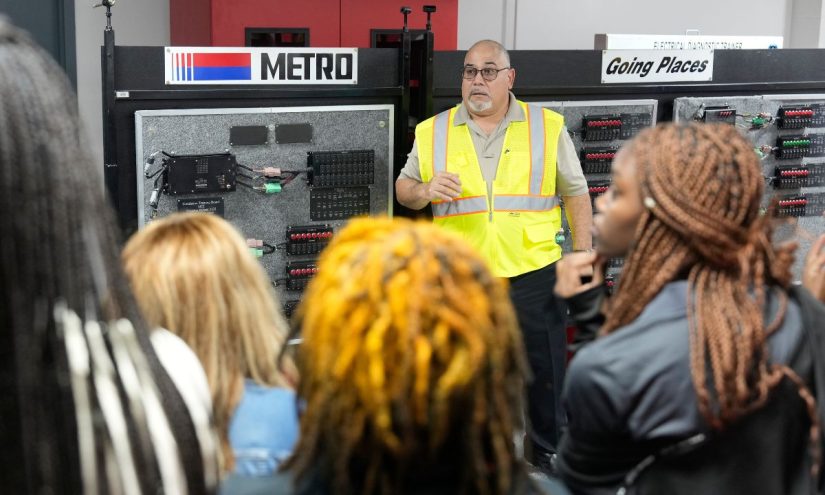
4. Connect learning to people and places. Career exploration should include visits to workplaces, not just abstract classroom discussions about careers. Opportunities to shadow professionals on the job, internships, project-based learning and alumni networks help students see how knowledge travels into the world, and who helps move it along.
5. Signal high expectations with high support. Mentorship programs should avoid coddling or coldness. Adults should communicate clearly that they expect students to grow, stretch and persist, and that they’ll provide the guidance that makes growth possible.
6. Measure what matters. Schools and colleges track test scores and graduation rates but rarely monitor whether students graduate with mentors, references or professional networks. Simple measures, like verifying whether students can name adults who would help them find a job or write a recommendation, should serve as leading indicators of social wealth.
The remedy for this missing curriculum isn’t a mystery. It’s the will to treat social development as a core educational outcome rather than a byproduct. Reframing education around social wealth doesn’t diminish the importance of academic knowledge. It completes it.
In a world where opportunity increasingly flows through relationships, schools and colleges that ignore social capital risk graduating students who are credentialed but stranded. Those that build it provide young people with the relationships and networks they need so they know that they are seen, supported and connected to a realistic future they can pursue.
That is the curriculum students need. And it’s one that schools and colleges can no longer afford to leave unwritten.
Did you use this article in your work?
We’d love to hear how The 74’s reporting is helping educators, researchers, and policymakers. Tell us how
