

Listen to the article
This audio is auto-generated. Please let us know if you have feedback.
Dive Brief:
- Democratic lawmakers and higher education experts are urging the U.S. Department of Education to reconsider major elements of a proposed rule designed to ensure college programs provide students with an earnings bump.
- Under the proposal, college programs could lose eligibility for federal student loans if graduates fail to meet a new earnings test. Undergraduate programs, for instance, would have to prove their graduates outearn workers with only a high school diploma.
- However, critics contend the proposal as written would also weaken Biden-era gainful employment regulations meant to prevent career education programs from saddling students with more debt than they can pay off.
Dive Insight:
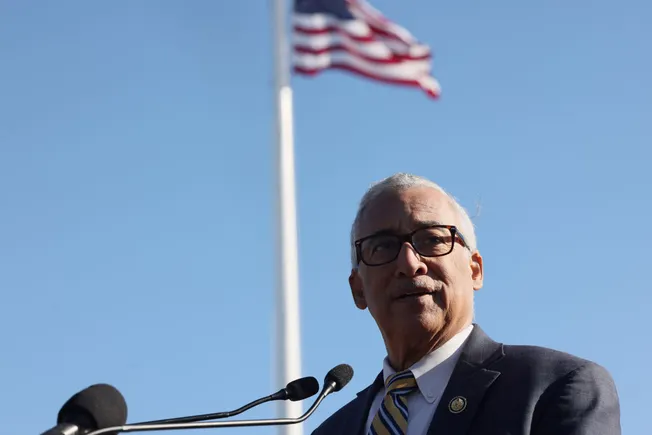
Virginia Rep. Bobby Scott, the highest-ranking Democrat on the House’s education committee, along with 15 other lawmakers, told the Education Department in a letter Wednesday that they supported aspects of the agency’s new proposal.
However, they added: “The Department must do more to protect students from low-quality programs and show the public it has the capacity to successfully oversee these sweeping changes to higher education consumer protections.”
The Education Department’s regulatory proposal would implement higher education provisions passed by Republicans in last year’s sweeping spending package, known as the One Big Beautiful Bill Act. The public comment period for the proposal closed Wednesday, drawing over 10,000 responses.
Under the proposal, both undergraduate and graduate programs would face an earnings test to keep access to federal student loans.
Undergraduate programs would lose eligibility for loans if most of their graduates earn less than workers ages 25 to 34 in their state with only high school diplomas. Graduate programs, on the other hand, would have their graduates measured against workers with bachelor’s degrees.
However, critics raised concerns about changes the Education Department is seeking to make to the gainful employment regulations. In 2023, the Biden administration released a rule that requires career education programs to meet a similar earnings test to the one proposed by the Education Department under President Donald Trump.
Additionally, the Biden-era gainful employment rule requires those programs to pass a debt-to-earnings test to ensure they weren’t leaving students with unmanageable debt levels. Programs that fail either test in two out of three years risk losing access to all Title IV funding, which includes loans and Pell Grants.
Unlike the new regulations proposed by the Education Department — which would apply to progams at all types of institutions — the gainful employment rule only applies to programs at for-profit colleges and non-degree programs regardless of sector.
Under the regulatory plan released in April, the Education Department said it sought to “harmonize” the existing gainful employment regulations with the OBBBA policy changes.
To do so, the department is proposing eliminating the debt-to-earnings test in the gainful employment rule, arguing this would reduce complexity and regulatory burden on colleges. But the prospect drew concern from lawmakers and student advocates.
“While the framework captures programs that do not pay off for students, it is not as successful at this as current regulations,” the Democratic lawmakers wrote Wednesday.
They pointed to data in the Education Department’s proposal showing that 31.1% of for-profit college programs are expected to fail under the proposed regulations, compared with 47% under the current rule. Similarly, 18.1% of undergraduate certificate programs would fail under the department’s proposal, down from 29.3% under the existing gainful employment rule.
“The data is clear: this proposed rule is significantly weaker than the current GE rule,” the lawmakers wrote.
Additionally, programs that fail the new earnings test would usually only lose access to federal student loans — not Pell Grants.
“This change will result in millions of dollars in Pell Grants flowing to programs that leave students worse off than if they had never enrolled,” The Century Foundation, a progressive think tank, wrote in a comment Wednesday.
New America, a left-leaning think tank, also opposed this change, arguing that it conflicts with the Higher Education Act and “improperly rewrites the statute.”
“The Department’s proposal creates the appearance of accountability, while allowing failing programs to retain substantial federal subsidies and continue enrolling vulnerable students,” New America officials wrote in their May 20 comment.
The bar to lose access to Pell Grants under the new proposal would be much higher. Colleges would only risk Pell Grant access if either half of their Title IV aid went to programs failing the earnings test, or half of their students who receive federal financial assistance are enrolled in such programs.
