

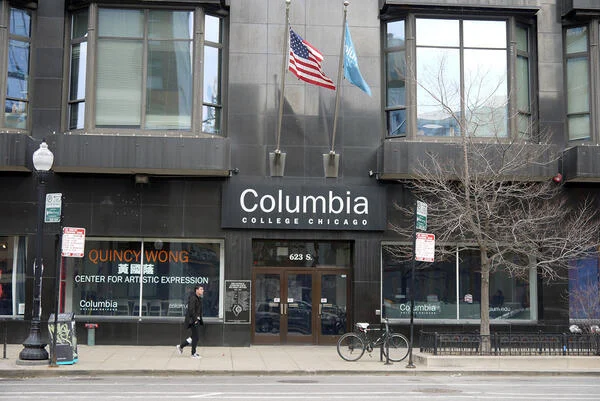
Columbia College Chicago has paused faculty sabbaticals for the second year in a row, a college spokesperson told Inside Higher Ed, confirming a report in the student newspaper, The Columbia Chronicle, which broke the news.
Interim provost Suzanne McBride announced the move at a Faculty Senate meeting last week, the Chronicle reported, citing financial challenges.
“The only reason I’m doing this is because I’m trying to count every penny,” McBride reportedly told the Senate. “As much as I very much value and regret that I have to do this a second year, I just have to make this decision.”
Tenured faculty who have worked full-time at the college for at least five years have historically been eligible to apply for a sabbatical in their sixth year, according to the faculty handbook, and every six years after that.
The sabbatical pause is part of a broader effort to cut costs at Columbia College, which laid off 20 full-time faculty members last year and has since instituted a 4-3 teaching load for tenured faculty and revised its termination policy under adverse circumstances policy to require 10 business days’ notice for layoffs, according to the student newspaper.
At last week’s Faculty Senate meeting, Brendan Riley, associate professor in the School of Communication and Culture and chair of the faculty affairs committee of the Senate, shared the results of the annual faculty survey, which showed that some respondents blamed the loss of sabbaticals for low morale.
“There were a number of comments that said, ‘I understand why we lost sabbatical but I don’t like it,’” Riley said, adding that faculty overwhelmingly feared “losing support for creative endeavors and scholarly work.”
McBride, a journalism professor, said she empathized with faculty, citing her own “transformative” sabbatical experience in 2012.
“As we continue working to stabilize the college’s enrollment, reduce administrative overhead, and diversify revenue, it is my sincere hope and personal goal that we will be able to reinstate the sabbatical process in the future,” she said in a statement the college shared with Inside Higher Ed.
